Start with your story.
We discuss your symptoms, history, and goals, then assess the movement and strength relevant to your needs.
Sports & orthopedic physical therapy for North Texas—for the athlete, the active adult, and the life you want to get back to.
Sports residency trained at UT Southwestern. Experienced in professional sports, postoperative rehabilitation, and the everyday demands of moving well.
Services
Whether your goal lives on the field, in the gym, or in everyday life, it deserves a thoughtful conversation.
For athletes and active adults building strength, movement, and confidence to return to the activities they value.
Care for joint pain, musculoskeletal injuries, and the demands of the things you want to do.
Rehabilitation shaped around your procedure, your surgeon's guidance, and your goals, with extensive experience in joint replacement and sports surgery recovery.
What to expect
Your rehabilitation starts with what matters to you and adapts as you progress.
We discuss your symptoms, history, and goals, then assess the movement and strength relevant to your needs.
We build a plan around your findings, daily demands, and any surgical precautions, with practical guidance for between visits.
We reassess your symptoms, function, and relevant measures to adjust your plan and guide your return to activity.
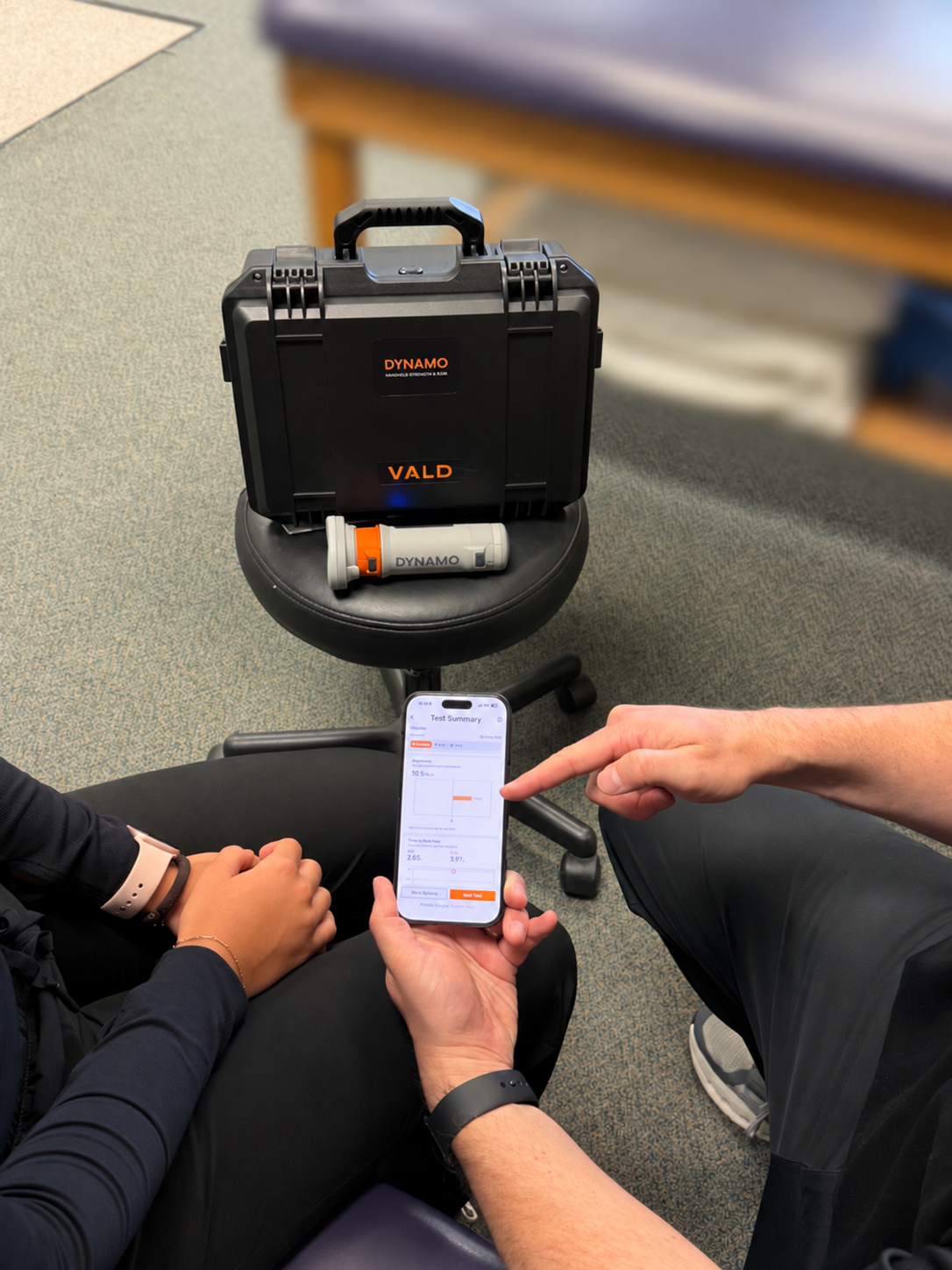
In prior clinical work, I used the VALD MoveHealth patient app to share testing results and help patients understand changes over time. These photos show examples of that experience; equipment and app availability depend on the practice setting.
Meet Josh
From professional athletes to people getting back to everyday life, the goal is personal.
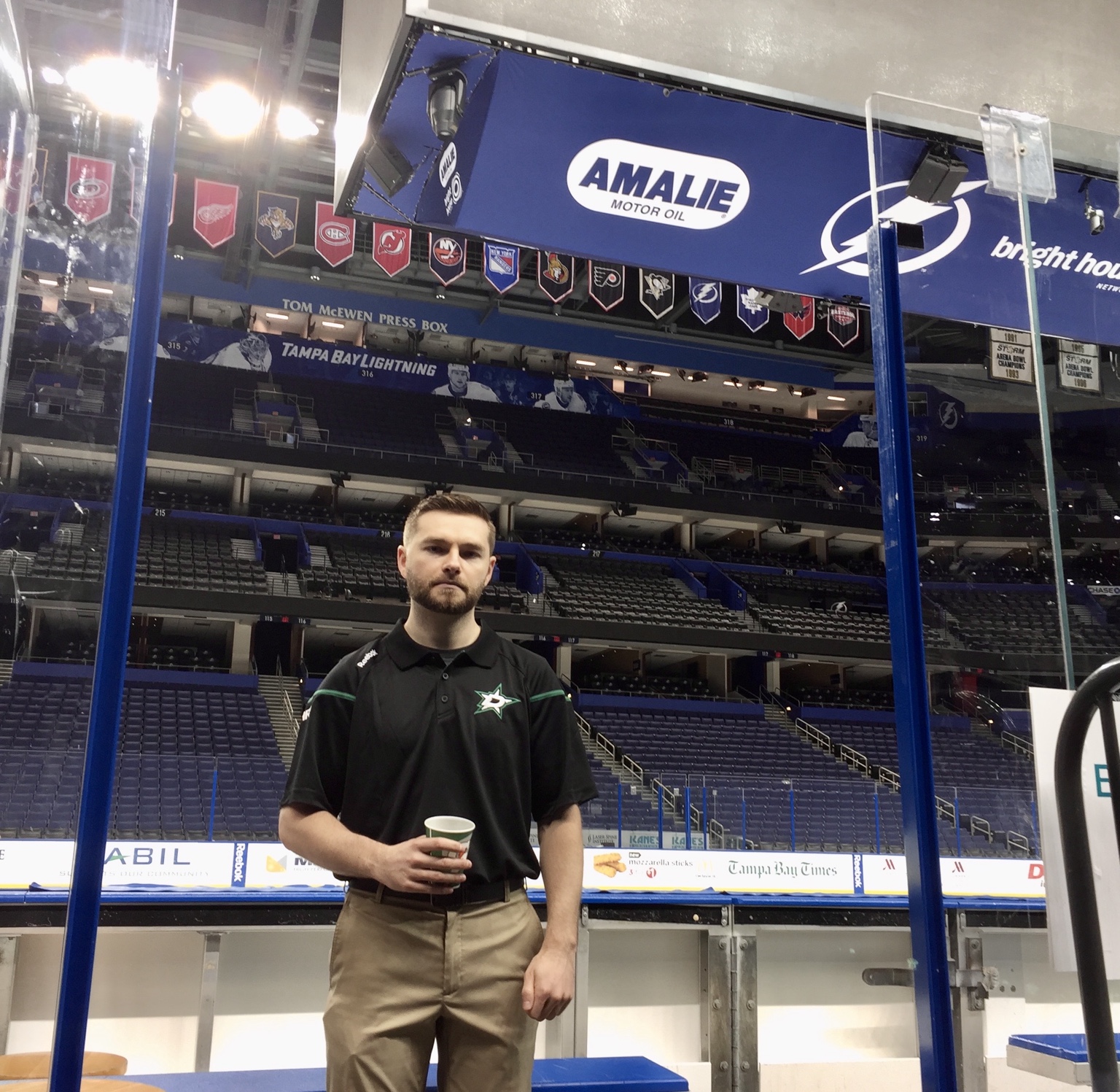
Sports residency-trained physical therapist with experience in orthopedic rehabilitation, clinical leadership, and mentorship.
I treat orthopedic conditions throughout the body, including the shoulder, elbow, wrist, hand, hip, knee, foot, ankle, and spine. Shoulder rehabilitation is a particular clinical interest, alongside recovery after surgery and return to sport. I combine hands-on care, progressive exercise, and objective testing to help guide the rehabilitation process.
I grew up playing baseball, basketball, and football, and competing in track and cross country. Basketball has always been my favorite. That lifelong connection to sports helps me appreciate what getting back to your activities means to you.
I value communication with each patient's care team and a rehabilitation plan that reflects their procedure, progress, and goals. When you need additional medical evaluation, I can help connect you with orthopedic and sports medicine specialists and coordinate your rehabilitation with their recommendations.
Practice information ↗I earned my doctorate at UT Health Science Center at San Antonio and completed a sports physical therapy residency at UT Southwestern. My sports medicine experience began as a college football student athletic trainer. During PT school, I completed clinical rotations at Houston Methodist’s Houston Dynamo location and another Houston Methodist clinic with a sports physical therapy residency program and a baseball patient population. My residency later included clinical experience with the Dallas Stars. I later served as sports residency faculty at UT Southwestern, contributing to teaching and mentorship.
I worked closely with orthopedic surgeon Dr. Bill Robertson at UT Southwestern, at Dallas Stars games, and later at TMI Sports Medicine in Frisco. At TMI, caring for patients of Texas Rangers–affiliated surgeons also deepened my baseball rehabilitation experience, including recovery after elbow ulnar collateral ligament (UCL) repair and reconstruction. I bring that experience to high school, collegiate, and professional athletes, as well as active adults recovering from injury or surgery.
My experience includes clinic leadership, clinician mentoring, and developing outpatient rehabilitation programs.
With more than a decade in physical therapy, I bring sports residency training, advanced clinical education, and experience across sports and orthopedic rehabilitation to each patient’s care.
For a decade, I held board certification in sports physical therapy through the American Board of Physical Therapy Specialties. That foundation continues to inform my work today, with a focus on clinic-based rehabilitation for athletes and active adults.
I continue to invest in education, refine my clinical skills, and apply new knowledge to help patients move toward their goals.
Sports Physical Therapy Residency
UT Southwestern Medical Center
Doctor of Physical Therapy
UT Health San Antonio
Graduate coursework in Physical Education
University of Houston
Motor Behavior emphasis
Bachelor of Science
Kinesiology, Exercise Science
University of Houston
Apex Orthopedics
Previously recruited to establish and lead its physical therapy department.
TMI Sports Medicine & Orthopedics
Established and managed the Frisco outpatient sports and orthopedic physical therapy clinic.
Served as sports residency faculty at UT Southwestern, contributing to teaching and mentorship for physical therapy students and sports residents.
At TMI, I coordinated clinical education for more than 40 students. I have personally served as a clinical instructor for more than 20 PT students across outpatient sports and orthopedic settings, and continue to welcome students into clinical practice.
The approach · Objective assessment
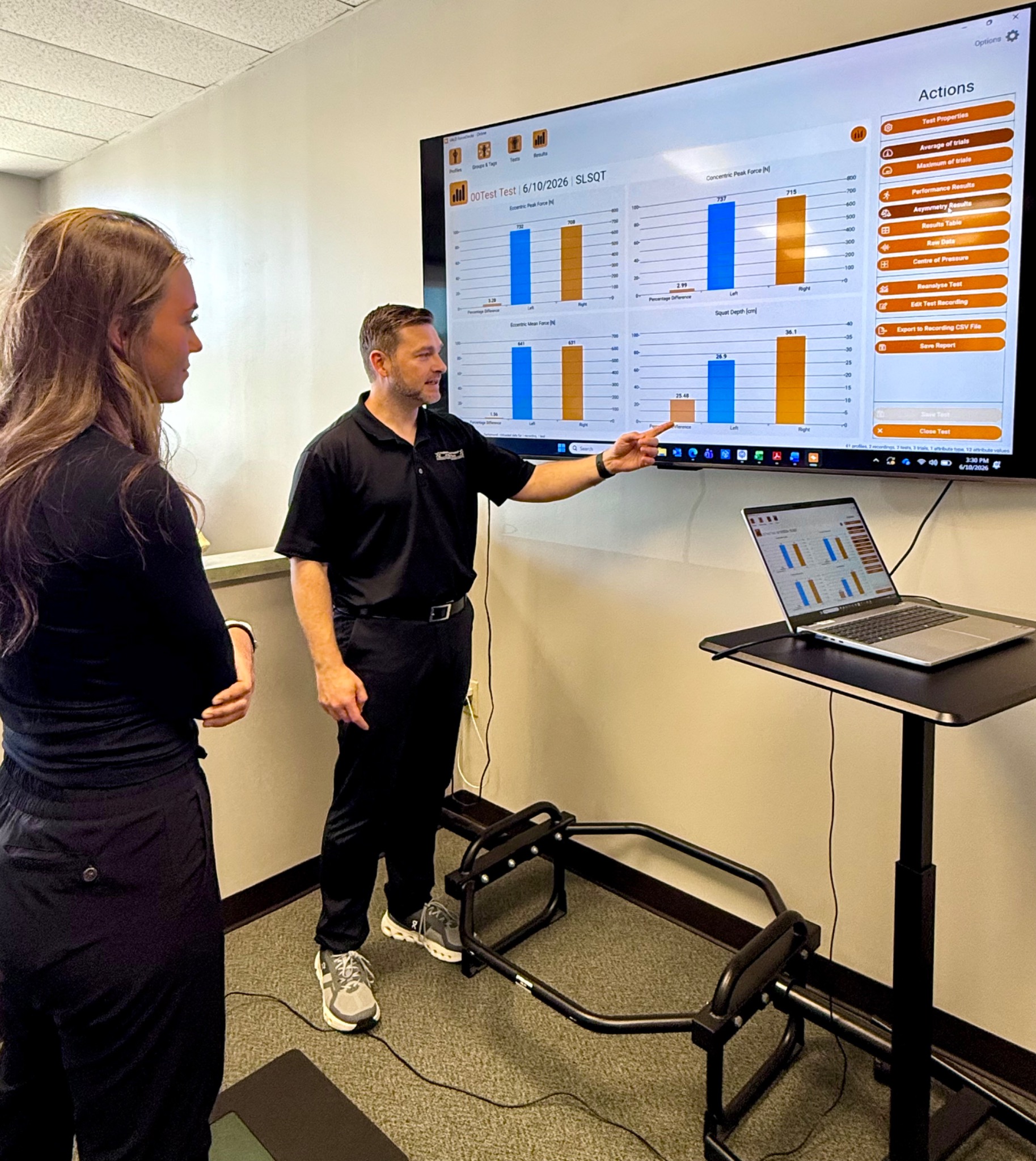
My experience includes VALD DynaMo and ForceDecks testing. Equipment availability depends on the practice setting. These tools are for more than athletes. Whether you want to return to the gym, walk with confidence, climb stairs, or enjoy an active weekend, objective assessment can help make your progress easier to understand.
Prior clinical work
Testing supports a conversation about your progress and the next steps toward your goals.
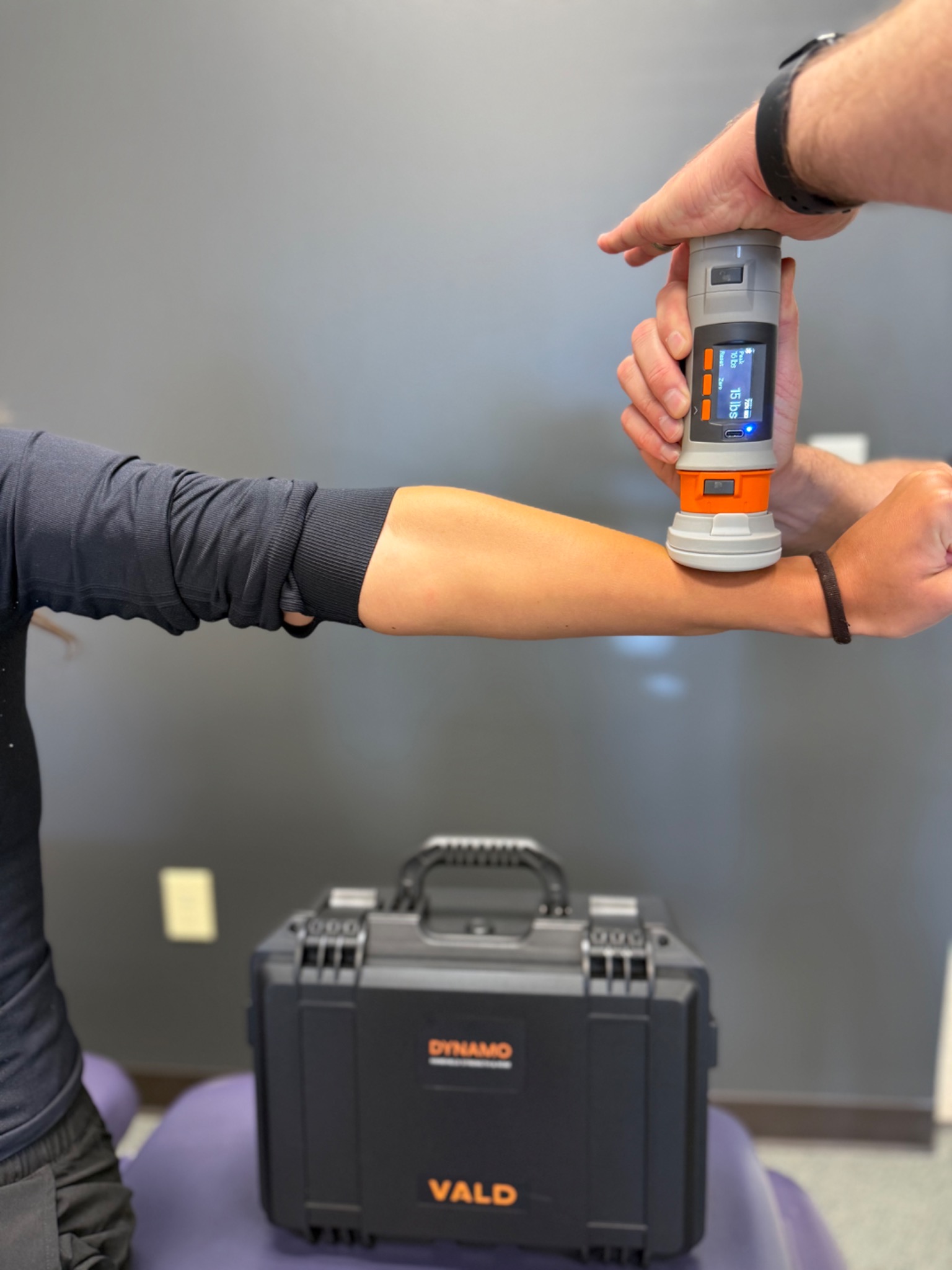
Dynamometry puts numbers to your strength, providing more detail than a standard hands-on muscle strength grade. I can compare limbs, track changes over time, and use the results to guide your rehabilitation.
Side-to-side symmetry: compare the strength of your arms or legs.
Shoulder ER-to-IR strength ratio: compare external rotation (ER) with internal rotation (IR) strength in overhead athletes.
Strength as a percentage of body weight: express measured force relative to body weight and track progress using consistent test positions and methods.
Reference comparisons: compare with relevant normative data when available for the test and population.
I interpret these measures together with your symptoms, movement, and goals; we use the full picture to guide your return to activity.
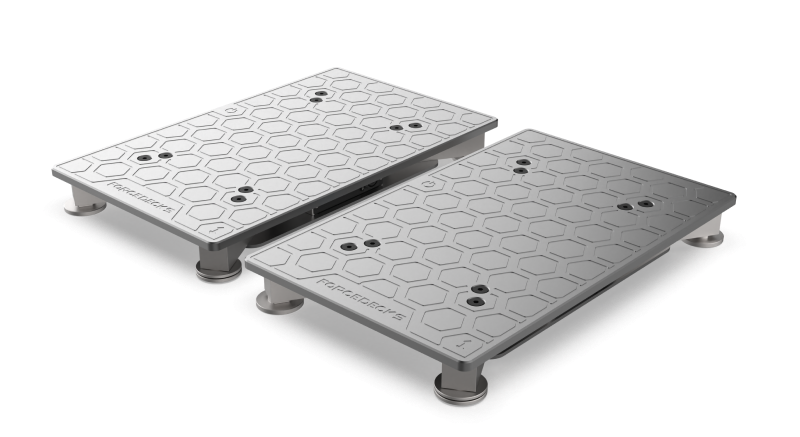
From standing balance and sit-to-stand testing to jumps, force plates help me understand how you produce and distribute force. Testing is tailored to your abilities and the activities that matter to you.
Depending on the test, we can examine:
Reactive strength index (RSI): how jump performance relates to ground contact time during reactive jumping.
Ground contact time: how quickly you transition from landing into another jump.
Takeoff and landing strategies: how you load each leg, produce force, and absorb impact.
Changes over time: track force, timing, and side-to-side differences as rehabilitation progresses.
Results are considered alongside your symptoms, strength, movement, and activity goals to guide the next stage of rehabilitation.
Skills behind your care
Exercise and progressive loading are central to my approach. Hands-on care and other tools are selected around your needs, comfort, and goals.
Licensed Physical Therapist · Texas
My Certified ArmCare Specialist training complements my baseball rehabilitation experience with a focus on arm strength, mobility, and monitoring the demands of throwing.
I help athletes build the strength, motion, and capacity needed to begin an interval throwing program and progress toward a pitching program in coordination with their surgeon and throwing professionals. My experience emphasizes the rehabilitation preparation that supports a progressive return to throwing.
Training provider: ArmCare.com
Dry needling uses a thin, solid needle to treat selected muscles, without injecting medication. It may help reduce muscle-related pain and improve movement so you can participate more comfortably in rehabilitation.
When appropriate, I combine dry needling with electrical stimulation delivered through the needles as part of your rehabilitation plan, with your consent.
Training provider: Spinal Manipulation Institute / AAMT
BFR uses a specialized cuff with individually selected pressure during exercise. It can help build strength and muscle using lighter weights when heavier loading is difficult or restricted.
Before surgery: may help build strength and endurance with lighter loads as part of an individualized preparation program.
After surgery: may help rebuild muscle while respecting surgical precautions and healing timelines.
Without surgery: may support strengthening when pain or joint limitations make heavier resistance difficult.
Health screening and individualized dosing determine whether BFR is appropriate for you.
Training provider: Owens Recovery Science
My manual therapy experience spans the full spine—neck, upper back, and lower back—as well as joints throughout the arms and legs. I combine movement, strengthening, and hands-on techniques according to your needs. Joint mobilization uses controlled movements; manipulation uses a brief, targeted thrust when appropriate and with your consent.
Training providers: Spinal Manipulation Institute / AAMT · Evidence In Motion
IASTM: instrument-assisted soft tissue mobilization uses smooth handheld tools to apply graded pressure and movement to soft tissues. The sensory input may help change pain sensitivity and improve movement comfort.
Cupping: cups apply suction that lifts the skin and underlying soft tissues, creating a gentle stretch. Cupping can temporarily increase local skin blood flow and may help ease pain and improve movement comfort.
Mobility band flossing: a flexible band applies brief compression during guided movement, combining soft-tissue pressure, stretch, and sensory input. It may help improve short-term mobility and tolerance of movement.
These are optional additions to active rehabilitation, chosen according to your response.
Training provider: Advanced Continuing Education Institute
I spent eight years working as the primary physical therapist for joint replacement surgeon Dr. Ken Estrera, a D Magazine Best Doctors honoree. That experience informs my approach to recovery after hip and knee replacement, from restoring motion and strength to walking, stairs, and the activities that matter to you. I have helped patients return to golf, pickleball, road cycling, tennis, and other activities following joint replacement, with progression guided by their recovery and surgeon’s recommendations.
Golfers are welcome. My education through the Titleist Performance Institute informs how I consider mobility and the physical demands of golf.
Media recognition · 2018 & 2019
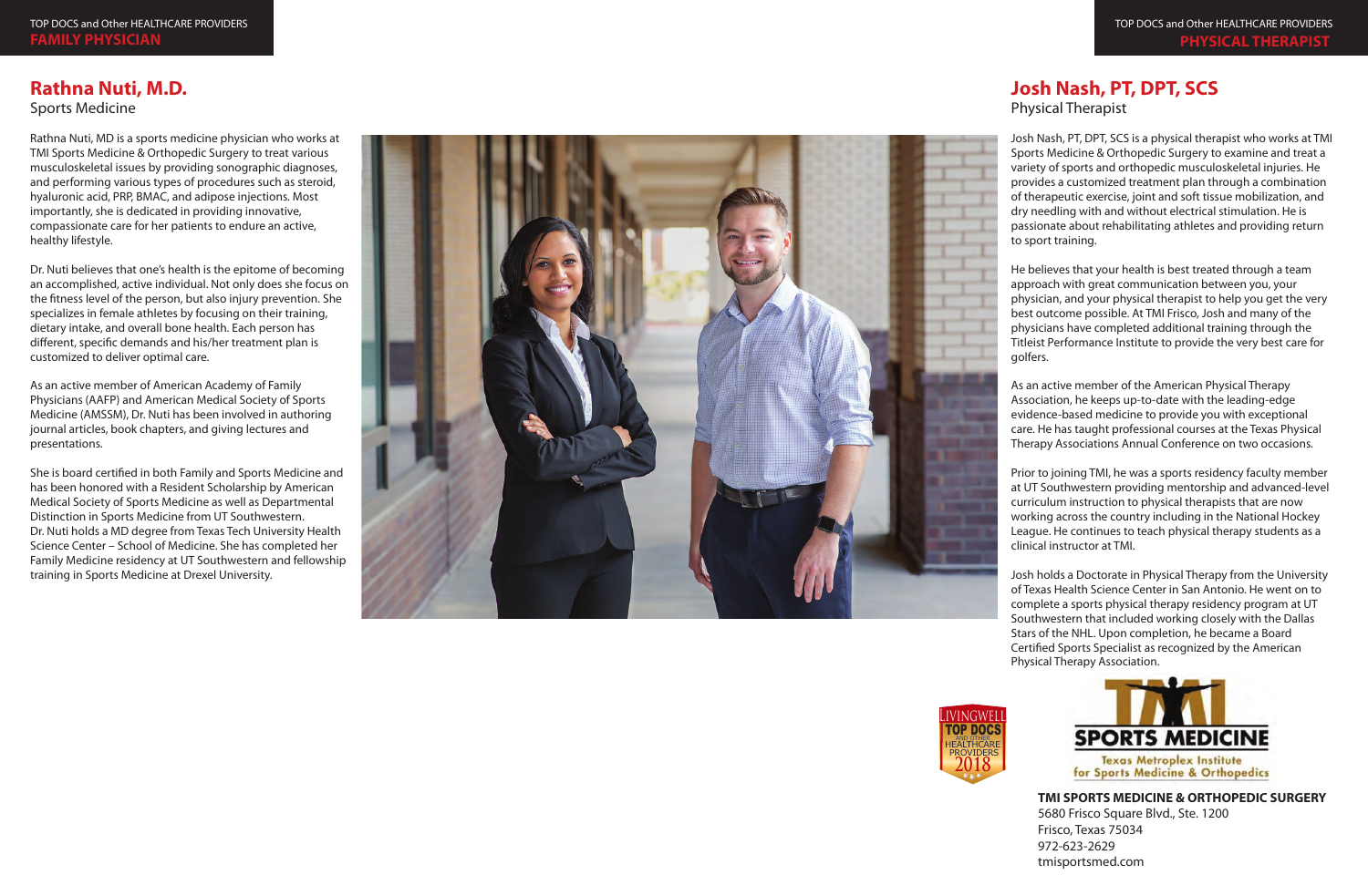
The 2018 “Top Docs and Other Healthcare Providers” feature highlighted my sports and orthopedic rehabilitation work in Frisco, including individualized care, return to sport, and collaboration with physicians.
Historical magazine features from my time at TMI Sports Medicine & Orthopedic Surgery.
Practice information
Practice location and scheduling information will be updated here.
This personal website shares my clinical background, rehabilitation approach, and professional interests.
A few helpful details
Bring your photo ID, insurance card if using insurance, and any referral or postoperative instructions you have. Wear comfortable clothing that lets you move and allows access to the area being evaluated. The clinic can confirm paperwork and arrival instructions when you schedule.
A PT prescription or referral is helpful if you already have one, but you may not need to wait for one to begin. Texas allows qualifying physical therapists to provide treatment without a referral for up to 30 consecutive calendar days. If continued care requires a referral, the clinic can help coordinate one with your medical provider. A referral is required for treatment beyond that period, and medical evaluation may be recommended sooner based on your symptoms.
Insurance coverage and referral requirements vary. Contact the clinic to confirm direct-access eligibility and what your plan requires before your visit.
This is Josh Nash’s personal professional website. It shares his experience and approach to sports and orthopedic rehabilitation. It does not provide appointment booking or patient messaging.
For students & educators
Teaching and mentorship have been a meaningful part of my career, from serving as sports residency faculty at UT Southwestern to personally instructing more than 20 PT students in outpatient sports and orthopedic care.
I maintain relationships with PT faculty across Texas. Clinical placements depend on the practice setting, affiliation agreements, and coordination with each school’s clinical-education program.